Generator Installation for New Construction in Bowie, MD
Generator Installation for New Construction in Bowie, Maryland, with published regional and national price ranges up front, your loads measured on site, and one written figure before any work begins.
Generator Installation for New Construction in Bowie, MD by Bowie Generator Company
A house being built around Bowie is the one moment when backup power can be added without undoing finished work. Trenches are open, walls are open, the panel is being placed, and the yard is not yet a finished lawn nobody wants disturbed.
Generator installation for new construction uses that window. The pad, fuel run, conduit, and transfer equipment go in at the stages where each piece is easiest to add. We coordinate with the build sequence for new homes in and around Bowie, including the Mitchellville corridor.
When Generator Work Fits the Build Sequence
Load planning comes first, while the electrical design is still being settled. Generator size follows the planned panel, the heating and cooling equipment, and the coverage the owners want. Transfer equipment can then be included in the electrical scope from the beginning.
Pad and placement work fits alongside other site work, while the ground is already being shaped. Fuel and conduit runs go in while trenches are open or before final grading. The generator itself is set late in the build and tested under the finished house load.
What Owners Decide Early
Three decisions are cheapest before construction advances. Coverage: whole house or a selected list, settled by a load assessment from the house plans. Fuel: natural gas where the street supply exists, or propane with tank placement planned into the site design. Placement: a location respecting clearances and keeping runs short.
Each decision can still be made after a home is finished, but every one costs more effort later. We lay the choices out early, with consequences stated plainly, so owners and build team share one picture.
Recent Project: Generator Installation for New Construction in Mitchellville
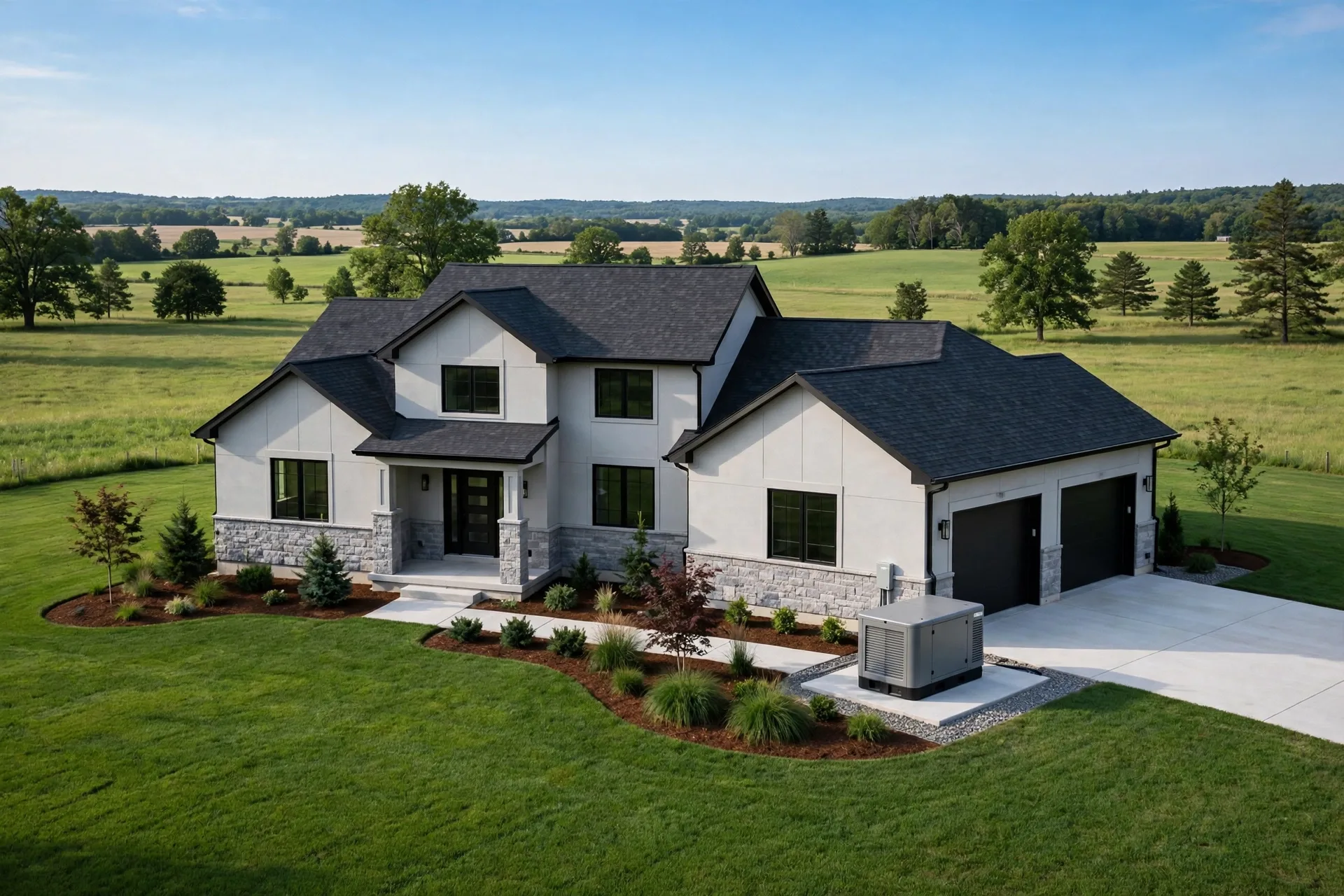
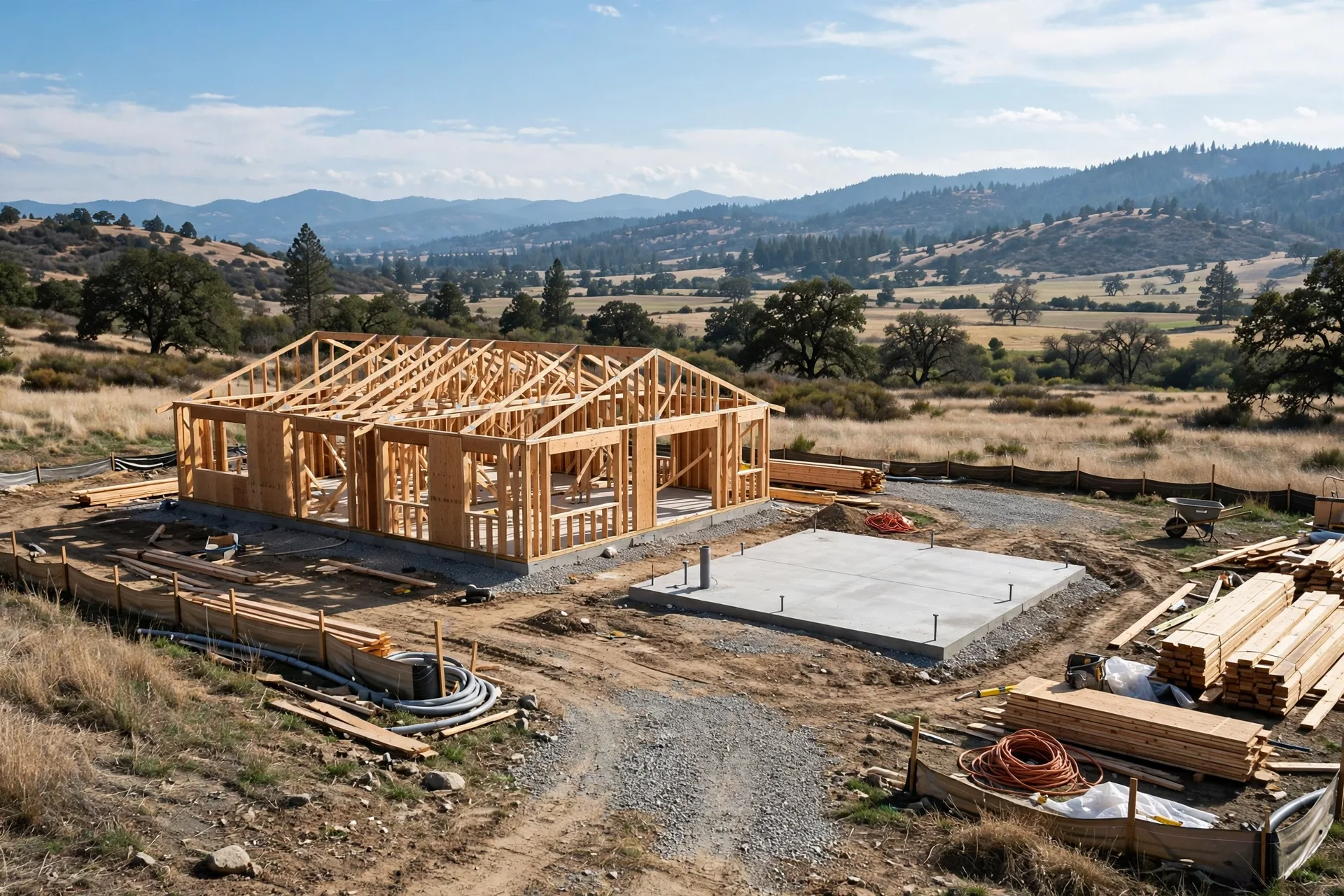
BEFOREAFTER
A new Mitchellville home added a whole house standby system during construction, with transfer equipment included in the original electrical scope. We planned the load from the house drawings, set the pad during site work, ran fuel and conduit while trenches were open, and set and tested the generator late in the build under the finished house load.
Turnaround
Generator work across three build stages, final testing in one day before move in.
Final Price
$19,400
Generator Installation for New Construction Cost in Bowie, MD
For a standard existing home, published regional and national figures commonly put whole house systems at $11,500 to $16,500 installed, within turnkey standby packages at $9,500 to $30,000 overall. A new construction project is quoted inside that wider turnkey frame. No Bowie company publishes a full local price list, so these published figures are the honest starting point.
What moves your figure is unit size, coverage chosen, fuel type, and how completely the work is integrated into the build. Planning runs into open construction usually reduces later fitting labor, while a large custom home sits higher in the published range on equipment size alone.
Working With Builders and Owners
For builders, we act as the generator portion of the project: sizing from plans, coordinating stages with the construction schedule, and delivering a tested system. For owners building a custom home, we work with you on coverage and fuel and coordinate site stages with your builder.
Prince George's County DPIE permitting covers the electrical and building side of generator work in Bowie as a market requirement, and in new construction that review typically runs within the larger permit frame of the home itself.
How much does generator installation for new construction cost in Bowie, MD?
Published regional and national figures put turnkey standby packages at $9,500 to $30,000, with whole house systems commonly at $11,500 to $16,500 for a standard existing home. Your figure depends on home size, unit, and fuel plan. We quote from your plans.
When in the build should the generator be planned?
At the electrical design stage, before the panel scope is final. That timing lets transfer equipment, fuel runs, and conduit go in as planned work instead of changes. The unit is set late, but the key decisions happen early.
Can the generator be added after the house is finished instead?
Yes, and most of our installations are exactly that. Adding during construction is easier on the property because trenches and walls are open. If your build passed the ideal stages, we will say what can still be integrated.
Do you work with my builder or directly with me?
Either way. Some builders bring us in as their generator installer, and some owners hire us directly and introduce us to the build team. In both cases we coordinate stages with the construction schedule.
What fuel should a new Bowie home use for its generator?
Natural gas suits most new homes on a gas street, with no tank to place or fill. Propane suits larger lots and streets without a gas main, and new construction is the easiest time to plan tank placement.
Is the generator tested before we move in?
Yes. The final stage is a loaded test and simulated outage with the finished house connected, run before handover whenever the schedule allows. You move in knowing the backup power has carried the real load.
Get Your Generator Quote
Tell us about your home and what needs to stay on when the power goes out. We read every request that comes in and respond with the published range for that kind of work and the next step, starting with a visit to measure your load, fuel, and placement.
Prefer to talk it through first? Send the form and we will call you back at the number you give us.