Generator Replacement and Upgrade in Bowie, Maryland, with published regional and national price ranges up front, your loads measured on site, and one written figure before any work begins.
Generator Replacement and Upgrade in Bowie, MD by Bowie Generator Company
An old standby generator usually announces its decline quietly. It skips an exercise run, starts rough on a cold morning, or carries the house one outage and falters during the next. Replacement swaps a unit that can no longer be trusted for one sized to the home as it stands today.
Homes change around their generators. Kitchens get remodeled, cooling systems get larger, and finished basements and home offices add load. A unit that was right years ago can be undersized for the house it protects now, even if it still starts.
Signs a Generator Has Reached Replacement
A unit that repeatedly fails its self test, struggles under load, or needs repair visits more often is telling you something. So is a generator the house has outgrown. If lights dim and cooling strains on generator power, no tune up fixes arithmetic.
Age matters through parts and reliability, not a magic number. Each failed start during a real outage costs more than money when the house holds medical equipment or a sump pump guarding a finished basement. We test the old unit under load and report honestly whether repair or replacement serves you better.
What We Check Before Reusing Anything
Replacement can save real effort when parts of the old installation remain sound. We pressure test the fuel run before trusting it. We inspect the pad for cracking and settling. We judge whether the transfer equipment suits the new unit and the current electrical service.
Anything that passes stays. Anything that fails is replaced within the quoted scope, not patched hopefully. The old unit is removed as part of the job, and the new system is proven through a full outage simulation carrying the house as loaded today.
Recent Project: Generator Replacement and Upgrade in Heather Hills
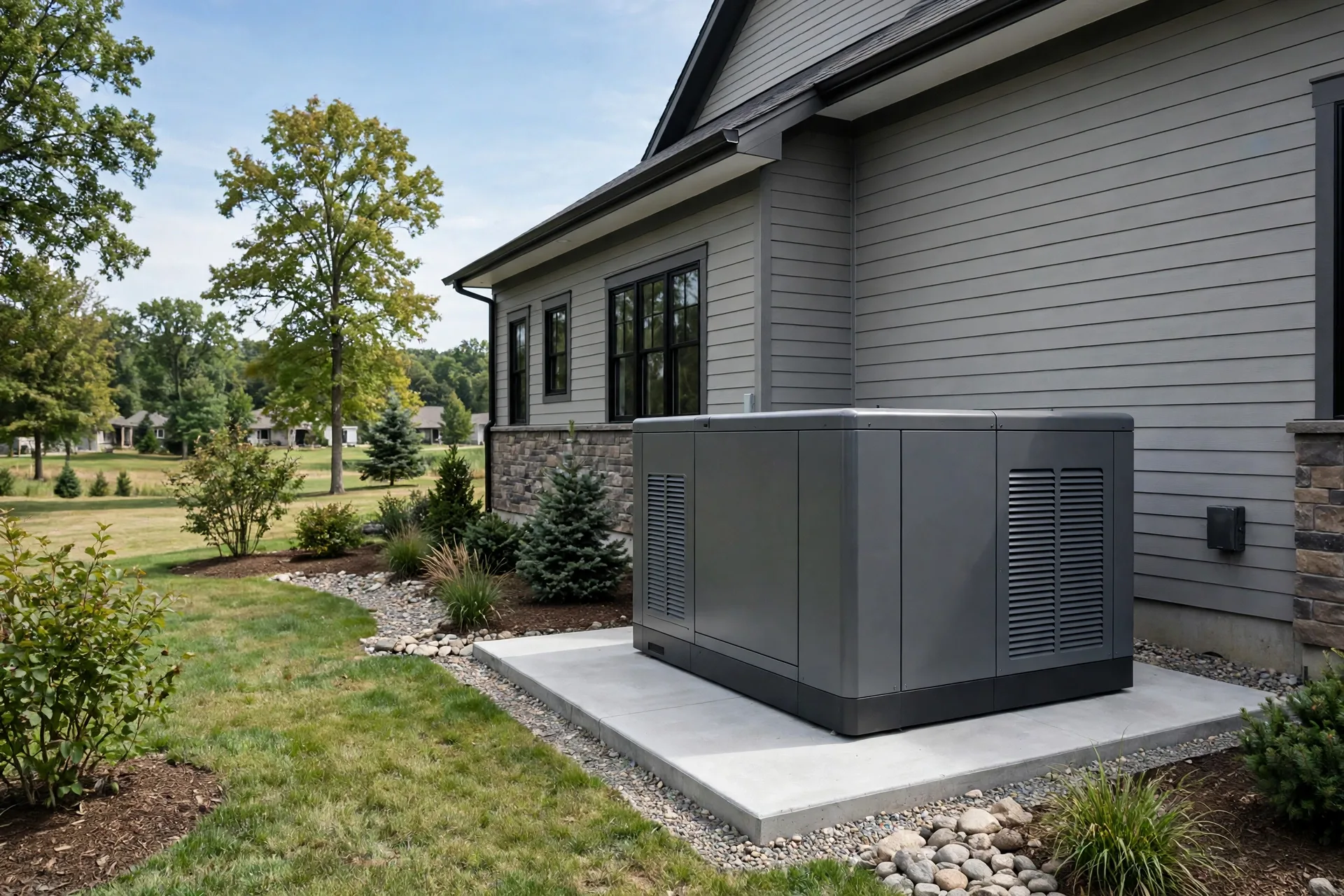
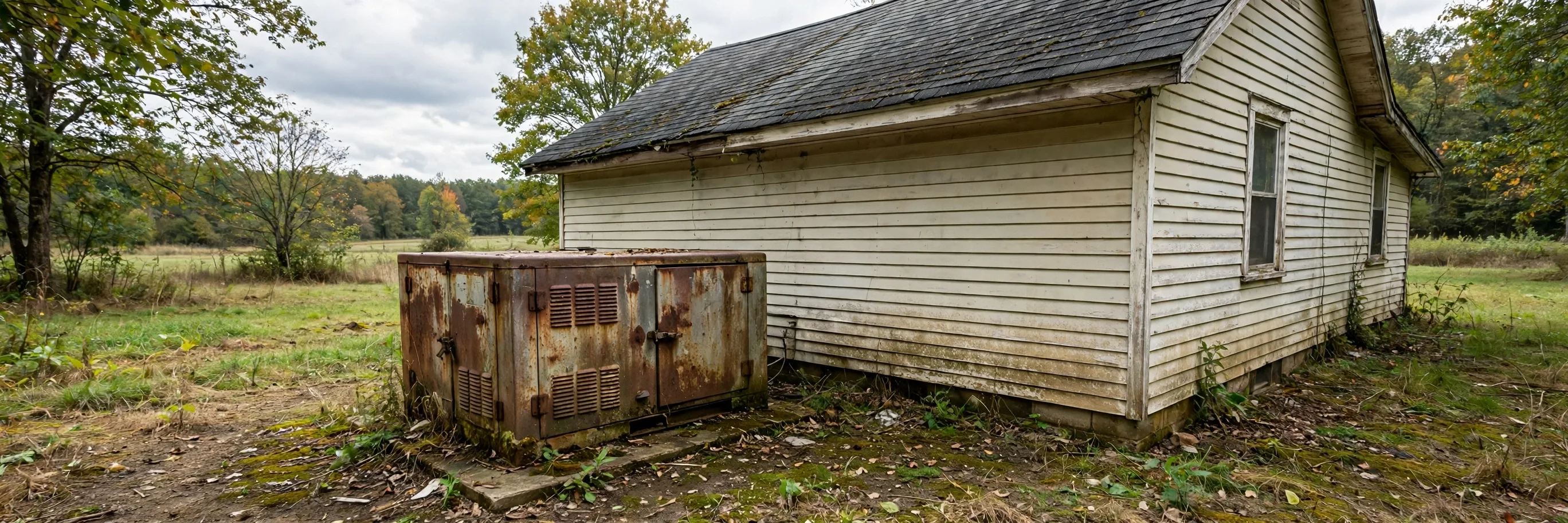
BEFOREAFTER
A Heather Hills home had a standby unit that failed to start during two straight exercise cycles and was undersized after a kitchen remodel and larger cooling system. We removed the old unit and its cracked pad, pressure tested and kept the sound section of the fuel run, set a new pad with a larger right sized unit, updated the transfer equipment, and proved the system through a full outage simulation.
Turnaround
Two days on site from removal to the completed simulation.
Final Price
$16,750
Generator Replacement and Upgrade Cost in Bowie, MD
Replacement pricing starts from the published picture for a new system: turnkey standby packages at $9,500 to $30,000 and whole house systems commonly at $11,500 to $16,500 installed, per published regional and national figures. Against that frame, a replacement can land below a first installation when sound parts are reused after testing. No Bowie company publishes a full local price list.
What moves your figure is how much of the old installation survives inspection, the size of the new unit, and whether panel and transfer equipment need updating. The assessment visit produces a specific quote for your property.
Upgrading for the House You Have Now
Many Bowie replacements are really corrections. The first generator was bought for a smaller house, and the honest fix is a fresh load calculation based on the panel and appliances in front of us today. Homes that added finished basements or second cooling zones are common examples.
An upgrade visit is also the moment to revisit coverage itself. Some owners move from selected circuits to whole house coverage. Others discover their circuit list never matched how they live. We redo that conversation rather than copying the old setup.
How much does generator replacement cost in Bowie, MD?
Published regional and national figures put turnkey standby packages at $9,500 to $30,000, with whole house systems commonly at $11,500 to $16,500 installed. Replacement can cost less when tested parts are reused. Unit size and panel work shape your quote.
Should I repair my old generator or replace it?
Repair makes sense when a sound unit has one clear fault. Replacement makes sense when failures repeat, the unit stalls under load, or the house has outgrown it. We test under load and recommend what the evidence supports.
Can my existing gas line and pad be reused?
Often, after testing. We pressure test the fuel run and inspect the pad before reusing either. Sound parts stay and save money. Failed parts are replaced within the quoted scope, never reused on hope.
Can I upgrade to a larger generator than the one I have?
Yes, and it is a common reason for replacement in Bowie. A larger unit may need transfer equipment and fuel sizing checked against the new draw. The new size comes from a fresh load calculation.
What happens to my old generator?
Removal is part of the job. We disconnect the old unit, take it away, and leave the site ready for the new pad and unit.
How long does a replacement take once work starts?
Most replacements finish in one to two days on site when the fuel run and placement can be reused, and longer when pad, fuel, or panel work is included. We state the timeline in the quote.
Get Your Generator Quote
Tell us about your home and what needs to stay on when the power goes out. We read every request that comes in and respond with the published range for that kind of work and the next step, starting with a visit to measure your load, fuel, and placement.
Prefer to talk it through first? Send the form and we will call you back at the number you give us.