Bowie, Maryland
Whole Home Surge Protection in Bowie, MD
Whole Home Surge Protection in Bowie, Maryland, with published regional and national price ranges up front, your loads measured on site, and one written figure before any work begins.
Bowie, Maryland
Whole Home Surge Protection in Bowie, Maryland, with published regional and national price ranges up front, your loads measured on site, and one written figure before any work begins.
Most surges do not arrive as a single dramatic lightning strike. They come as smaller spikes when power flickers, when the grid switches, and when large equipment cycles, and they wear on the electronics a modern Bowie home depends on. Whole home surge protection is fitted at the panel to reduce those spikes before they reach the circuits inside the house. At Bowie Generator Company, we install whole home surge protection for homeowners in Bowie, MD, often alongside generator work and just as often on its own. A standby generator and surge protection do different jobs that fit together: the generator keeps the house running when the grid goes down, and surge protection guards the panel, the appliances, and the generator controls against spikes that can arrive when power fails and when it returns.
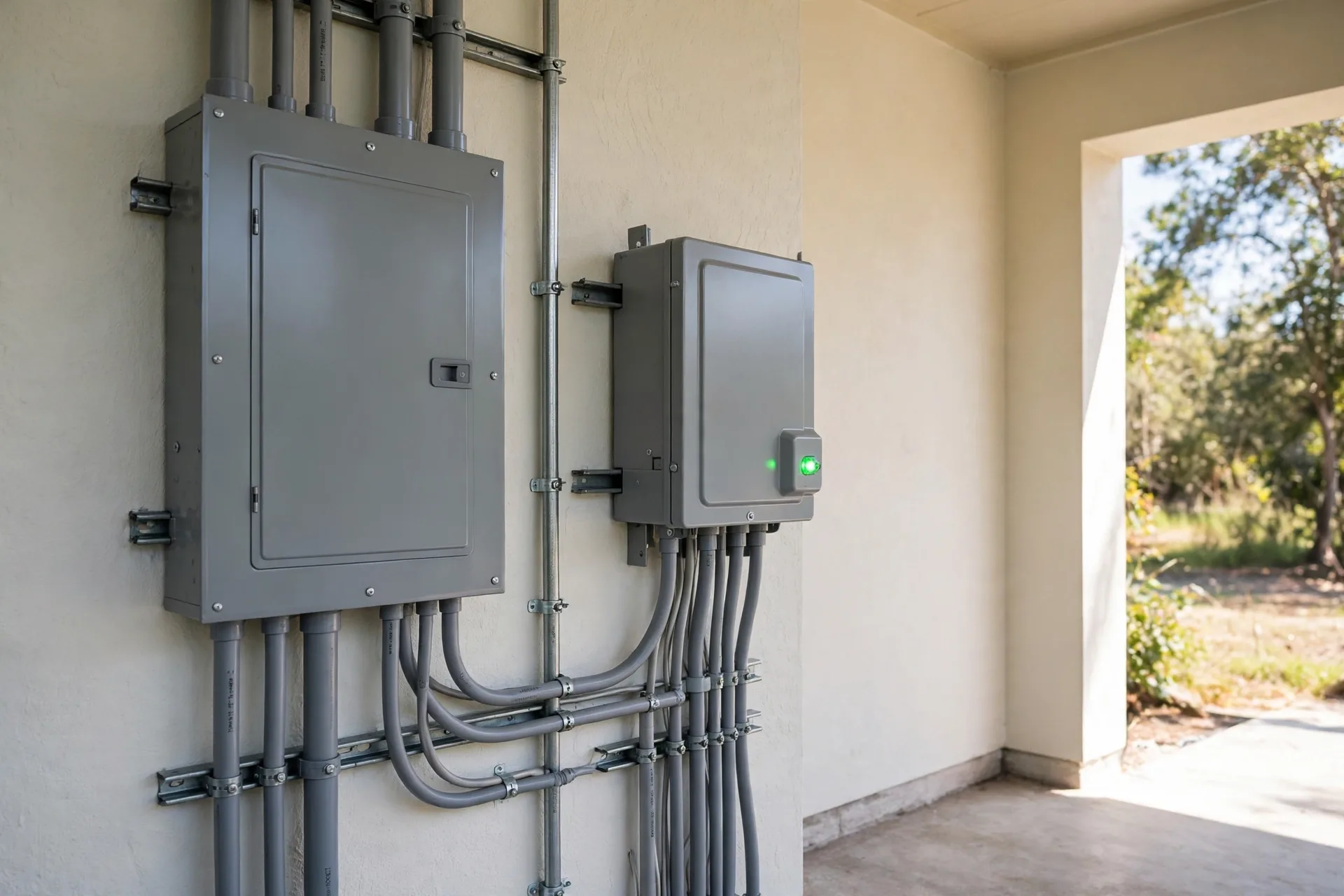
A whole home device is installed at your main electrical panel, where power enters the house. When a spike above normal voltage arrives on the line, the device diverts the excess at that entry point, lowering what reaches your branch circuits. It works in the background, with no switches to manage and no action needed from anyone in the house.
This panel level protection covers hardwired systems that plug in strips never reach, such as heating and cooling equipment, kitchen appliances, laundry equipment, and the controls inside a standby generator. Point of use protectors at outlets can still serve sensitive equipment, but they protect one outlet at a time. No device can stop every possible event, and we will not claim otherwise. What panel protection does well is reduce the frequent, smaller spikes that shorten the life of electronics over years of flickers and restarts.
We begin at the panel, checking its type, available space, and condition. Older panels in Belair homes sometimes need that review done carefully, and we tell you plainly if panel work should come first. The device is then fitted at the panel as its manufacturer directs, with its status indicators left visible so you can confirm at a glance that it is active. After fitting, we check the indicators, review the panel labeling, and show you what the status lights mean and what a device that has taken a major hit looks like. Surge protection pairs naturally with generator and transfer switch work, since the panel is already open, and it can also be fitted as a standalone visit.
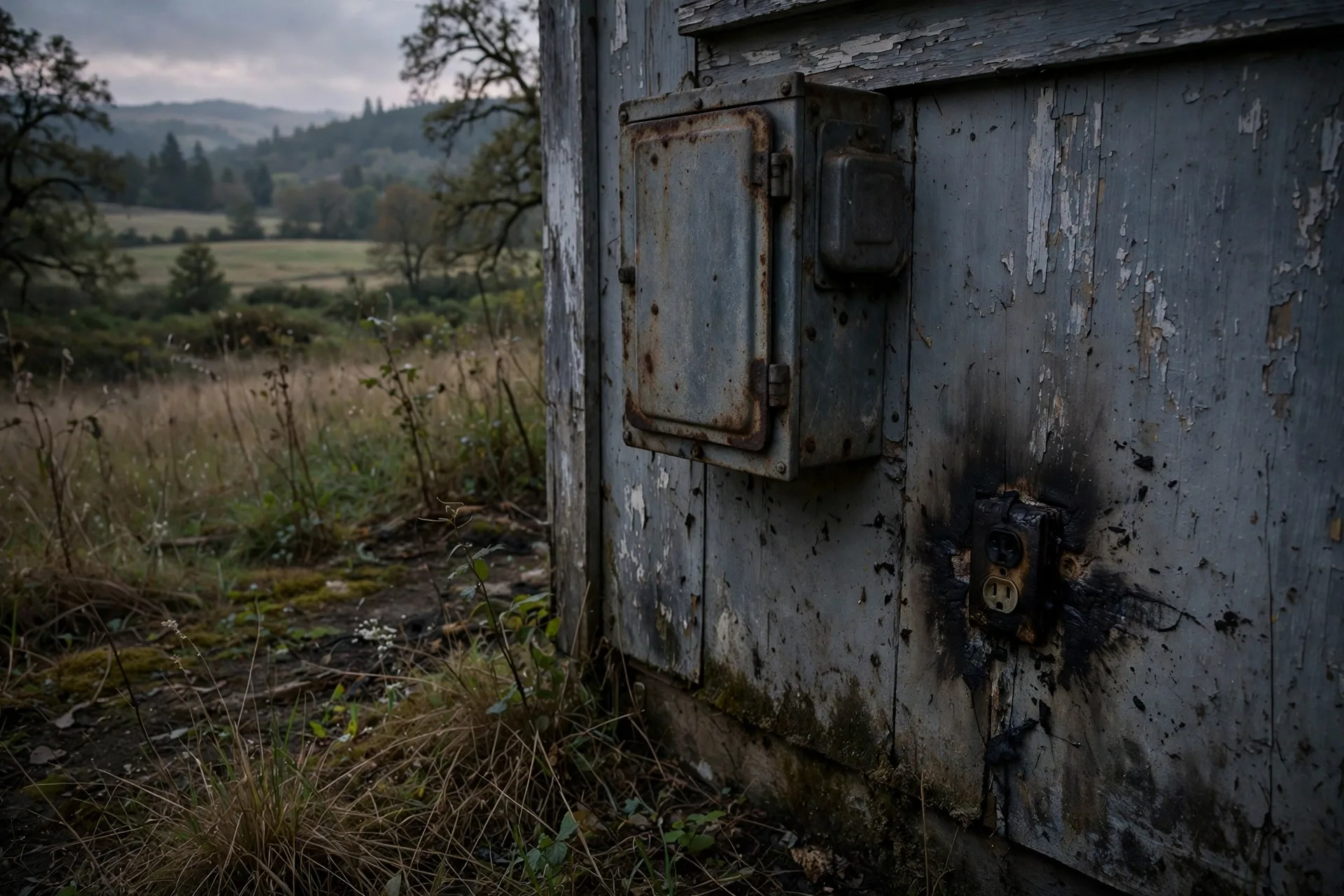
A Collington home had lost a cooling control board after a season of storm flickers and wanted panel level protection for the whole house, including its standby generator controls. We reviewed the panel, fitted the surge device with visible status indicators, updated the panel labeling, and walked the owners through reading the device after future storm events.
The figures here are published regional and national figures, labeled as such, for a panel fitted residential device including installation. Published figures for whole home surge protection commonly run $750 to $1,850, with most straightforward panel fits in the lower and middle part of that range. What moves the figure is the panel itself: available space, panel condition, and whether any panel preparation is needed shape the work more than the device alone. Combining the fitting with generator or transfer switch work already under way can also change the total. Your quote states the device, the fitting, and any panel item in plain lines before work begins.
Bowie sits in BGE territory where summer thunderstorms are normal, and each flicker and restoration can carry a spike with it. Homes here run more electronics with each remodel: variable speed cooling, smart appliances, home office equipment, and medical devices. For homes with a standby generator, the case is doubled, because the generator has electronic controls most exposed when the grid is failing and returning.
It serves a different role. The panel device reduces spikes for the whole house where power enters, including hardwired equipment that strips cannot cover. Outlet level protectors can still be used for sensitive equipment as a second layer, but the panel device is the foundation.
The generator controls connect through your electrical system, so panel level protection helps guard them along with the rest of the house. That is one reason we often fit surge protection during generator installations. We confirm the arrangement for your system at the panel review.
Your device has status indicators that we show you during the walkthrough. A quick glance after a major storm tells you whether it remains active. Some devices need replacement after absorbing a large event, and the indicator is how that need is shown.
Published figures run $750 to $1,850 including installation. Panel space, panel condition, and any preparation work set your total inside that range. Send the quote form and we will quote the fitting for your panel in plain line items.
Yes. Many homes fit panel protection on its own, with no generator involved. The device guards the panel and everything behind it regardless of whether backup power is present. If you add a generator later, the protection is already in place.
Mention your panel age, if you know it, when you fill in the form at the bottom of this page. It asks for your name, the service you need, and a short message about your home. Our reply sets out the next step, and that step starts with the panel review.
Tell us about your home and what needs to stay on when the power goes out. We read every request that comes in and respond with the published range for that kind of work and the next step, starting with a visit to measure your load, fuel, and placement.
Prefer to talk it through first? Send the form and we will call you back at the number you give us.